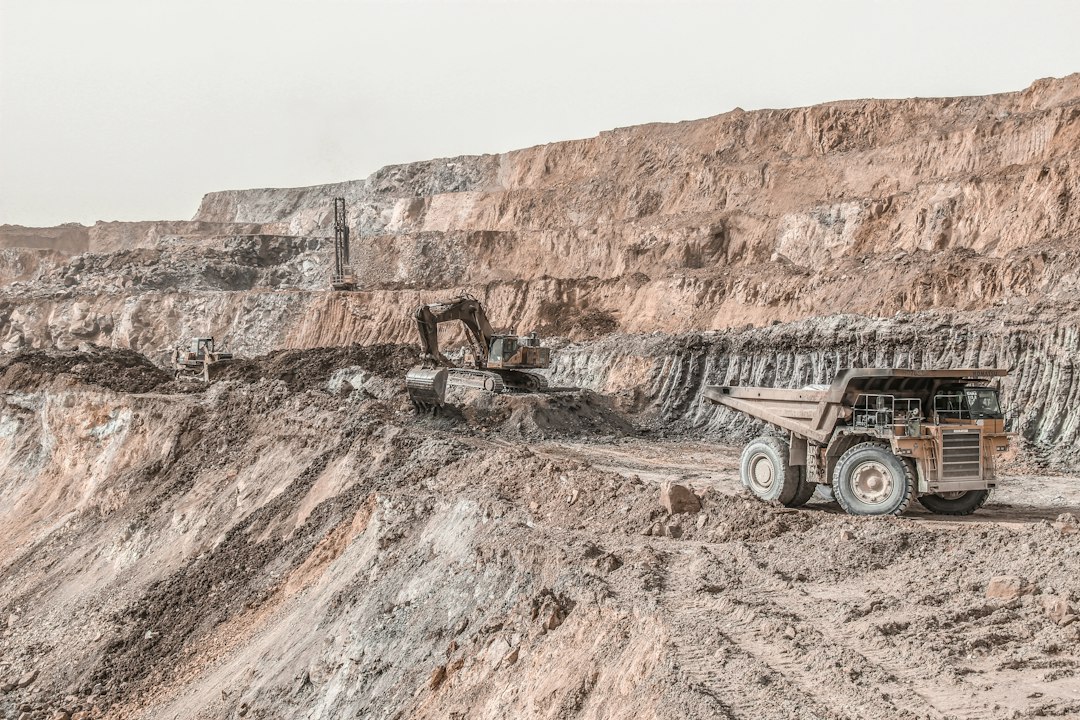
The unstoppable boom of artificial intelligence is not only redefining the tech sector but also unleashing a quiet yet severe crisis in global commodity markets. Behind every breakthrough in large language models and server farms lies an unprecedented physical demand: tons of base metals such as copper, aluminum, and lithium required to build the electrical infrastructure that powers them.
Electricity Demand Set to Multiply Fivefold
According to a recent analysis by Wood Mackenzie, the global pipeline for data center capacity has surpassed 250 GW—triple the figures seen in recent years. Projections indicate that electricity demand tied to AI will multiply fivefold by 2030, exceeding 1,000 TWh by 2035. This meteoric growth forces a massive expansion of electrical grids, substations, and power generation facilities.
Crucially, these supporting auxiliary infrastructures can require three to four times more base metals than the data centers themselves, putting immense pressure on already strained supply chains.
Geopolitics, Red Tape, and Supply Shortages
Adding to the quantitative pressure are geopolitical tensions and rising resource nationalism. Industry analysts note that mining projects fail to advance at the pace dictated by global demand. Bureaucratic delays, administrative hurdles in permitting, and increasing operational complexities are discouraging the capital investments urgently needed to boost supply.
Market indicators vividly reflect this strain:
- Copper: Record prices driven partly by strategic stockpiling from superpowers like the United States, which holds inventories well above global averages.
- Aluminum: Affected by regional conflicts and infrastructural damage in the Middle East, leading to significant production deficits.
- Litio (Lithium): Facing soaring prices and a projected requirement of over $150 billion in additional supply chain investments to meet future grid-storage demands.
Ultimately, the transition toward an AI-driven economy is colliding with a fundamental physical reality: the scarcity of the metallic resources required to keep the digital revolution plugged in.