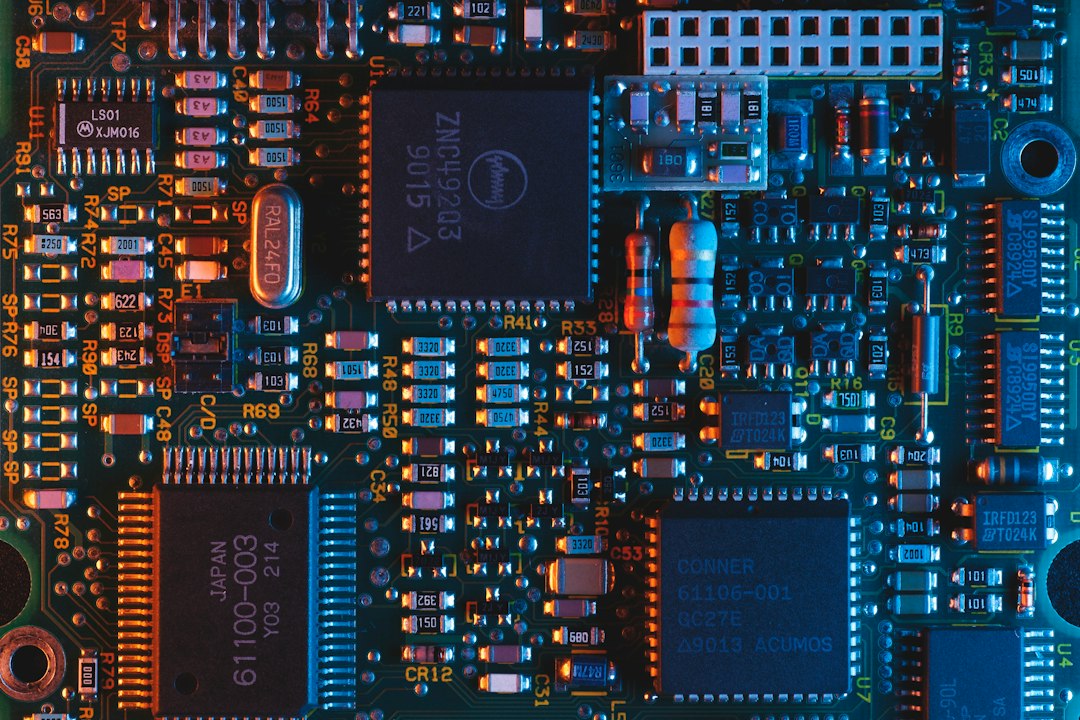
In a strategic push toward technological sovereignty, the Indian government has announced plans to develop indigenous Graphical Processing Units (GPUs) within the next 24 months. As artificial intelligence workloads surge globally, India aims to break its heavy reliance on foreign hardware providers, moving from a consumer of imported computing power to a producer of domestic semiconductor infrastructure.
Overcoming the Manufacturing and Commercialization Hurdles
The timeline was outlined by S. Krishnan, Secretary at the Ministry of Electronics and Information Technology (MeitY), under the umbrella of the India Semiconductor Mission 2.0. While the country already boasts tens of thousands of GPUs through initiatives like IndiaAI, bridging the gap between utilizing foreign chips and designing homegrown accelerators remains a monumental task.
- RISC-V Leadership: Open-source processor architectures like SHAKTI, developed by IIT Madras, and VEGA, from C-DAC, serve as the backbone of India’s domestic chip ambitions without costly licensing fees.
- Real-World Integration: Commercial viability is being tested across sectors such as smart meters, digital stethoscopes, industrial sensors, and drone controllers.
- Supply Chain Realities: Turning blueprints into physical silicon requires advanced fabrication facilities, testing environments, and a robust commercial ecosystem capable of sustaining long-term production.
Ultimately, India’s strategy seeks to balance national security with technological innovation, proving that its domestic semiconductor advancements can successfully translate into globally competitive, market-ready products.