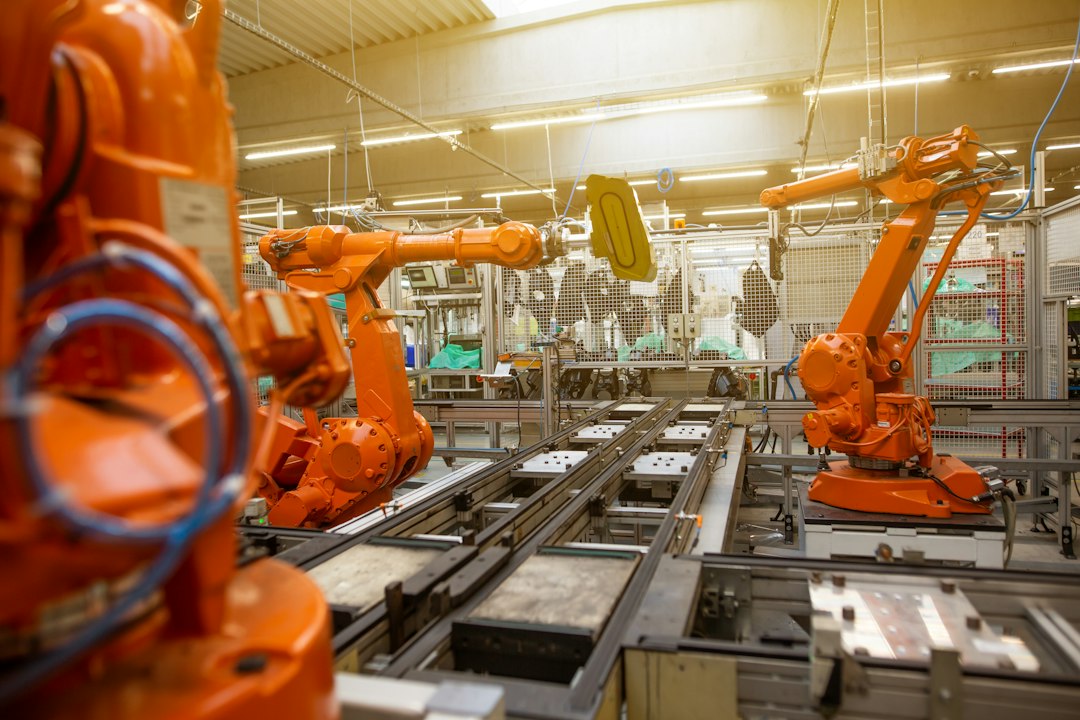
Toyota is an undisputed titan of the automotive industry, but its true legacy has always been rooted in its manufacturing prowess. For decades, the Japanese automaker has refined production systems where automation and human-machine collaboration set global standards. Now, this unmatched industrial expertise is culminating in a major strategic evolution.
A New Division to Spearhead Advanced Automation
The company announced the creation of Toyota Robotics, a specialized internal organization set to launch under the direct supervision of Toyota Motor Corporation. Led by production chief Takefumi Shiga, the division will consolidate robotic resources and talent previously scattered across various departments. Its core mission: to accelerate the practical application, deployment, and eventual commercialization of advanced robotics.
This structural change is paired with an educational initiative led by Chairman Akio Toyoda, designed to pass down decades of proprietary industrial know-how to the next generation of engineers and technicians.
From In-House Plants to the Global Market
To understand the scale of this initiative, one only needs to look inside Toyota’s own facilities. The company operates 60 plants with approximately 18,000 specialized workers. Industry estimates suggest its ecosystem could require around 400,000 robots between 2028 and 2040 to modernize equipment and scale automation, with 150,000 allocated to Toyota and its affiliates, and the remaining 250,000 directed toward suppliers.
Crucially, Toyota does not plan to stop at internal usage. The overarching strategy is to thoroughly test and perfect these technologies within its own assembly lines before offering them to other manufacturing sectors, with sights set on driving sustained sales growth from 2030 onward.
The Challenge Ahead
Backed by experimental projects like the ELEY robot and its collaborative AI research with Boston Dynamics, Toyota enjoys a distinct advantage: an intimate understanding of the pain points plaguing modern manufacturing. The ultimate test will be whether this mastery of car production can successfully translate into a dominant commercial robotics business on the global stage.