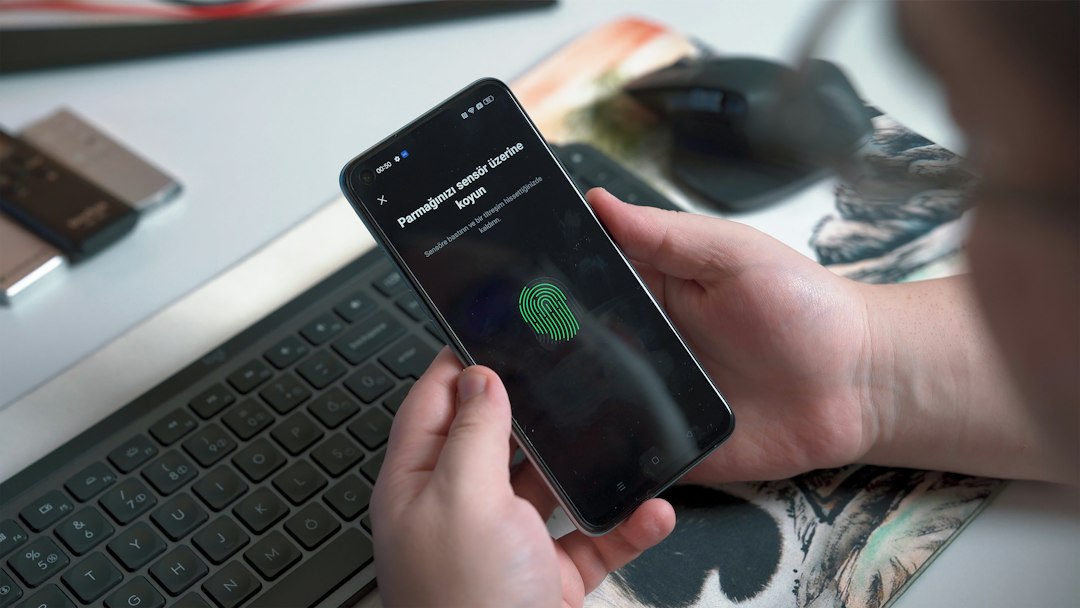
Spain’s Central Electoral Board (JEC) has officially lifted its suspension and authorized the use of MiDNI—the official digital identity application—for voter verification in the upcoming general election on November 29.
The decision resolves months of legal and technical debate. While the digital document was initially greenlit in late 2025, its use at polling stations was temporarily halted last spring over security concerns regarding how election officials could securely verify the authenticity of the credentials in real-time, preventing the use of simple screenshots or stored photos.
How Digital Verification Will Work at Polling Stations
To meet the strict security criteria established by the electoral authorities, the Ministry of the Interior has arranged a specific technological rollout across all polling places. On election day:
- Voters using the app will generate a temporary, dynamic QR code on their smartphones.
- Polling station staff will verify the authenticity of the code instantly using an official online validation tool.
- Other government apps, such as the digital driving license (MiDGT), remain excluded from electoral identification procedures.
Authorities emphasize that this measure introduces an alternative method of identification rather than enabling remote online voting. Traditional physical documents—such as standard ID cards, passports, or driver’s licenses—remain fully valid, serving as a reliable backup against potential technical glitches like discharged device batteries or poor internet connectivity.