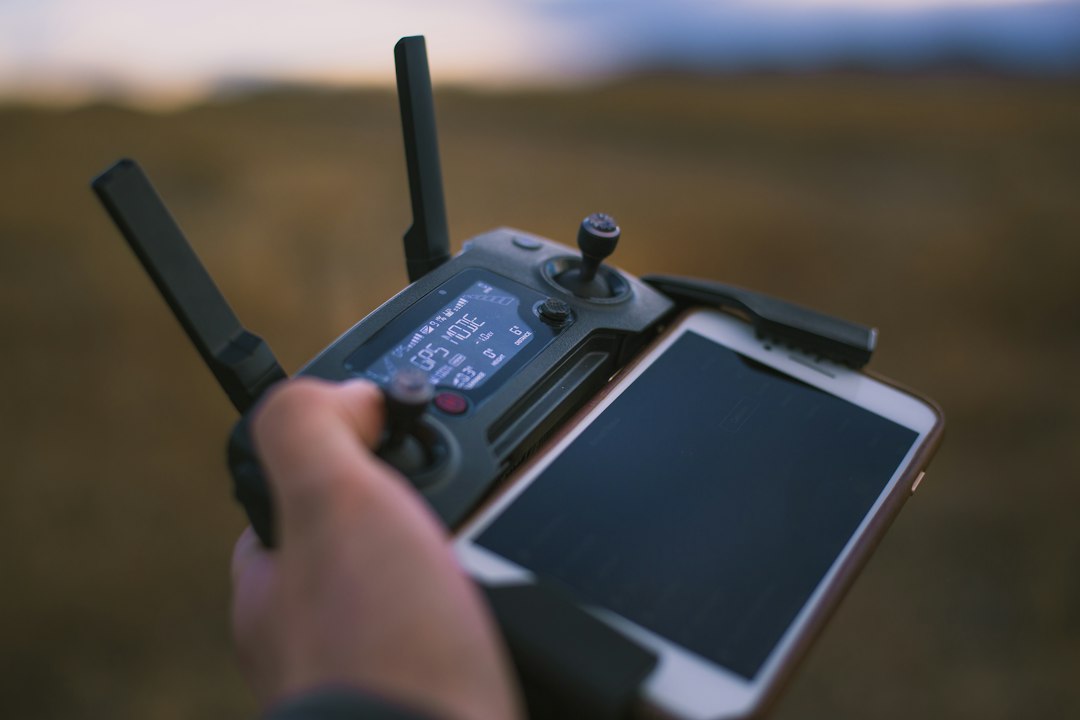
In the rapidly evolving landscape of electronic warfare in Ukraine, miniaturization has become a matter of life and death. A Kyiv-based startup has engineered a pocket-sized receiver known as the D-Vision SDR. Weighing roughly 290 grams—little more than a standard smartphone—this device allows Ukrainian frontline troops to watch live video feeds directly from incoming Russian attack drones before impact.
Miniaturized and Passive Intelligence
Many military drones transmit their onboard camera footage unencrypted, leaving a critical vulnerability for forces equipped with the right tools. Developed by CODE380, the D-Vision SDR functions as a software-defined radio, scanning frequencies ranging from 500 megahertz to 8.7 gigahertz without blind spots and translating captured signals into viewable video.
Because the device is entirely passive, it only listens to the surrounding radio spectrum without emitting any signals that could compromise the user’s location. With a range stretching up to 10 kilometers for analog video under optimal conditions, it serves as an invaluable early-warning asset for soldiers seeking cover or repositioning equipment.
A Lightweight Advantage on the Frontline
When stacked against alternative local detectors—such as the Vydun 7.5, SENSE-4, or Chuyka 3.0—the D-Vision SDR stands out primarily due to its exceptional weight reduction, coming in at less than half the mass of several competitors. This portability is essential for highly mobile infantry units.
- Software Flexibility: Since its core logic relies on software updates rather than fixed hardware, the device can rapidly adapt when Russian forces alter drone specifications or radio frequencies.
- Addressing the Molniya Threat: The scanner successfully covers critical frequency bands adopted by newer Russian strike drones, neutralizing blind spots that plague older detection equipment.
The Horizon of Electronic Warfare
Despite the immediate tactical relief provided by these compact receivers, military analysts caution that the technological arms race continues. The gradual shift toward encrypted digital transmissions and the integration of AI-guided autonomous drones running on advanced microchips pose looming threats that may eventually bypass passive radio interception entirely.